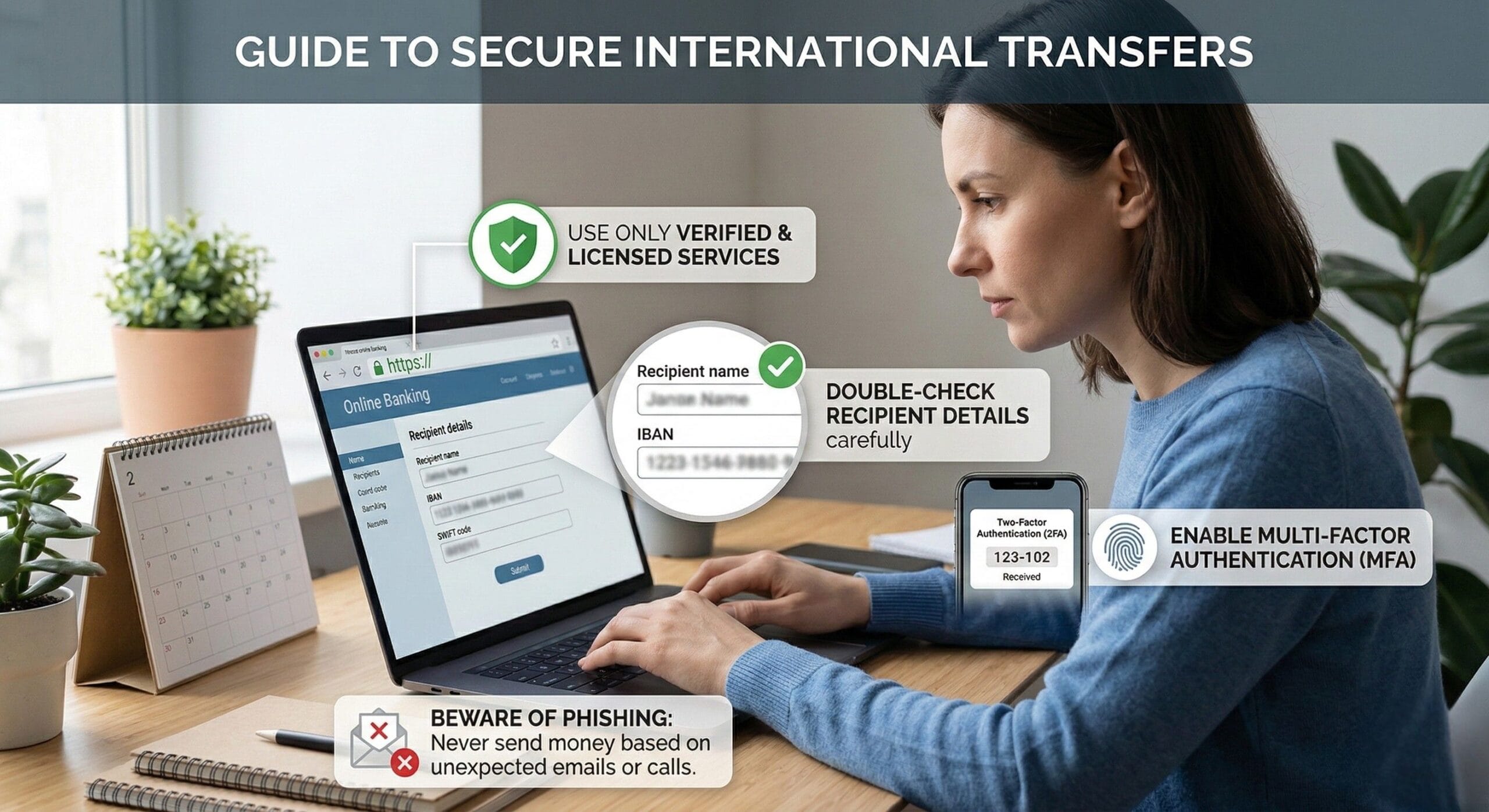
You have just invested ₹15 lakh in Apple, Tesla, and Amazon stocks. It feels like a smart global diversification move. But before your money even reaches Wall Street, your bank deducts ₹1 lakh upfront as TCS.
What makes this more frustrating is the contrast. Budget 2026 brought major relief for travelers by reducing TCS on tour packages from 20% to 2%. But for investors, nothing changed. No relief, no reduction, just the same 20% burden.
As international investing becomes more popular through platforms like Vested, INDmoney, and Groww, many new investors are walking into this hidden cash flow trap without realizing it.
To understand how this fits into your overall financial plan, you should start by exploring What Are These Things NRIs Need to Know About the 20% Tax Trap? for a complete perspective on the current landscape.
Understanding the 20% TCS on Foreign Investments
1.1 What Triggers the 20% TCS
Any remittance made under LRS for investment purposes above ₹10 lakh in a financial year attracts TCS.
This includes direct investments such as foreign stocks listed in the US, UK, or other markets, as well as international mutual funds, ETFs, REITs, and even certain crypto purchases routed through overseas platforms.
The key point is that TCS is applied at the time of remittance, not when you buy or sell the asset. Your bank collects this amount before the funds leave India.
1.2 The ₹10 Lakh Threshold
Since this threshold is cumulative across all your banks and categories (travel, gifts, etc.), you must be precise with your math. You should start by mastering The ₹10 Lakh Cliff: How to track your cumulative LRS limit in 2026 to avoid being caught off guard mid-transfer.
1.3 How the Deduction Works
Banks deduct TCS at the time you remit funds abroad. You will receive a TCS certificate (Form 27D), and the amount will reflect in your Form 26AS as tax credit.
Investment TCS Calculation
| Remittance | Below ₹10L | Above ₹10L | TCS @20% | Net Invested |
| ₹12,00,000 | ₹10,00,000 | ₹2,00,000 | ₹40,000 | ₹11,60,000 |
| ₹20,00,000 | ₹10,00,000 | ₹10,00,000 | ₹2,00,000 | ₹18,00,000 |
| ₹50,00,000 | ₹10,00,000 | ₹40,00,000 | ₹8,00,000 | ₹42,00,000 |
Why Budget 2026 Didn’t Help Investors
2.1 The Selective Relief
While the government recognized the burden on middle-class travelers, it kept the investment rate high to manage forex outflows. You can see the massive difference in treatment by reading about Budget 2026 Relief: Why your 20% Tour Package tax just dropped to 2%.
2.2 Government’s Rationale
The decision to keep investment TCS high is largely policy-driven. The government aims to discourage excessive capital outflow, protect domestic markets, and maintain balance of payments stability.
Higher TCS also ensures upfront tax collection and improves reporting of overseas investments.
2.3 Future Outlook
Investment platforms have pushed for reduced TCS, but changes are uncertain. Many countries allow easier global investing, but India continues to take a cautious approach.
| Purpose | Pre-2026 | Post-2026 | Change |
| Investments | 20% | 20% | No change |
| Tour Packages | 20% | 2% | Reduced |
| Education | 5% | 2% | Reduced |
| Medical | 5% | 2% | Reduced |
Which Investment Types Are Affected
3.1 Direct vs. Indirect
Directly buying US stocks via apps like Vested or INDmoney triggers the 20% TCS. However, if you are an NRI moving funds between accounts, the rules change. Ensure you aren’t misclassifying your capital by checking NRO to NRE Transfers: Is the 20% Tax Trap lurking here too?.
3.2 Mutual Funds and ETFs
Direct investments into foreign ETFs or global funds also fall under this rule.
3.3 Other Investment Vehicles
This includes REITs, bonds, startup investments, and private equity abroad.
3.4 What Is Not Covered
Certain domestic alternatives avoid TCS entirely because no LRS remittance is involved.
| Investment Type | 20% TCS? | Reason |
| Direct US stocks | Yes | LRS remittance |
| Foreign ETFs | Yes | LRS |
| Indian global MF | No | Domestic |
| Fund of Funds | No | No remittance |
| Domestic ETFs | No | Indian asset |
If you are exploring options, you should start by [link] understanding how different remittance types are classified so you can choose efficiently.
The Real Impact on Returns
4.1 Cash Flow Impact
A ₹20 lakh investment could result in ₹2 lakh being locked upfront. This reduces the capital actually invested from day one.
4.2 Long-Term Impact
| Scenario | Without TCS | With TCS | Difference |
| Invested | ₹50,00,000 | ₹42,00,000 | -₹8,00,000 |
| Value @12% | ₹1.55 Cr | ₹1.30 Cr | -₹25 lakh |
4.3 The Silver Lining
TCS is not a final tax. It can be claimed back through your income tax return.
To understand this better, you should start by [link] learning how TCS refunds work so you can recover your money efficiently.
Strategies to Minimize Impact
5.1 Stay Below ₹10 Lakh
Plan investments across financial years to avoid crossing the threshold.
You should start by [link] tracking your LRS usage so you can stay within limits.
5.2 Use Domestic Alternatives
Indian mutual funds with global exposure provide access without TCS.
5.3 Use Family Member Limits
Each individual has a separate ₹10 lakh threshold. Proper planning across family members can help.
5.4 Prioritize Remittances
If you will cross ₹10 lakh anyway, plan the sequence of remittances strategically.
5.5 DTAA and Tax Treaties
While TCS is deducted upfront, your final tax liability can be managed. You should start by understanding how 20% TCS vs. DTAA: Can Tax Treaties save you from the upfront deduction? to see if you can offset these costs against foreign taxes.
5.6 Use the Education “Loophole”
If your primary goal is funding a child’s future while investing, consider the source of funds. Families often find that The 0.5% Loophole: Why Education Loans are still the best way to move money offers a far better cash-flow outcome than liquidating assets and remitting them directly.
The TCS Refund Route
6.1 How to Recover TCS
TCS appears in Form 26AS and can be claimed while filing your ITR.
6.2 Refund Scenarios
| Income | TCS Paid | Tax Liability | Refund |
| ₹5 lakh | ₹2,00,000 | ₹0 | Full |
| ₹10 lakh | ₹2,00,000 | ₹1,00,000 | Partial |
| ₹15 lakh | ₹2,00,000 | ₹2,50,000 | Adjusted |
6.3 Timeline
Refunds are typically processed within a few months after filing.
6.4 TCS is Not a Final Cost
The ₹1 lakh deducted from your Tesla investment is effectively an interest-free loan to the government. You can claim this back when you file your Income Tax Return (ITR).
6.5 How to Claim
To ensure your 20% doesn’t get stuck in administrative limbo, follow The NRI guide to claiming TCS refunds in 2026: How to get your 20% back for a step-by-step recovery plan.
Special Considerations
7.1 NRIs
NRIs investing abroad from India must consider both Indian and foreign tax implications.
You should start by [link] understanding how cross-border remittances work so you can manage compliance.
7.2 Different Investor Types
Long-term investors face one-time TCS, while frequent investors must manage repeated cash flow impact.
7.3 Beginners
New investors may benefit from starting with domestic global funds before moving to direct foreign investing.
Practical Action Plan for Investors
8.1 Before You Invest
Before making any foreign investment, you need to understand where you stand within the LRS limit. Start by calculating your total remittances for the financial year and assess whether you are likely to cross the ₹10 lakh threshold.
You should also evaluate whether domestic alternatives can meet your investment goals without triggering TCS. If you are planning a large investment, consider spreading it across financial years to manage cash flow better.
8.2 During Investment
While executing the investment, ensure that your bank correctly deducts TCS and provides you with Form 27D. Maintain a record of every remittance, including amount, date, and purpose.
You should also regularly check your Form 26AS to confirm that the TCS has been recorded correctly. This step is critical for smooth tax filing later.
8.3 After Investment (Tax Filing)
Once the financial year ends, you must include your foreign investments in your income tax return under the appropriate schedules.
Claim the TCS credit while filing your return and ensure that all documentation is in place. Filing your return on time will help you receive refunds faster and avoid unnecessary delays.
Global Perspective & Future Risks
Investors must also look at the other side of the corridor. If you are moving money from the US to India, stay updated on The 3.5% US Remittance Tax: Is your money transfer to India under threat? as international tax wars continue to evolve.
Conclusion
Foreign investments continue to attract 20% TCS above ₹10 lakh, even after Budget 2026. While this creates a significant cash flow impact, the amount is recoverable through tax filing.
With proper planning, tracking, and strategy, you can manage this effectively.
FAQs
1. Why does a 20% TCS apply to foreign stock investments from India?
A 20% Tax Collected at Source (TCS) applies when funds are remitted abroad for investment purposes under the Liberalised Remittance Scheme (LRS). Once a resident individual’s total remittances exceed ₹10 lakh in a financial year, banks collect 20% TCS on the amount above this threshold before transferring the money abroad.
2. Does the 20% TCS apply to all foreign investment transactions?
The 20% TCS applies when money is remitted outside India for investments such as foreign stocks, ETFs, REITs, or global funds through overseas platforms. However, investments made through Indian mutual funds or domestic funds that invest globally usually do not attract TCS because no LRS remittance is involved.
3. Has Budget 2026 reduced TCS on foreign investments?
No. Budget 2026 reduced TCS for certain categories such as overseas tour packages and education remittances, but it did not change the 20% TCS rate for foreign investment remittances above ₹10 lakh.
4. Can the 20% TCS deducted on foreign investments be claimed back?
Yes. The TCS collected is not a final tax. It appears in your Form 26AS or AIS and can be adjusted against your total tax liability while filing your Income Tax Return. If the TCS amount exceeds your tax liability, you can claim a refund.
5. How can investors reduce the impact of the 20% TCS on foreign investments?
Investors can manage the impact by spreading remittances across financial years, staying within the ₹10 lakh threshold where possible, using family member LRS limits, or investing through Indian mutual funds and funds of funds that provide global exposure without triggering TCS.