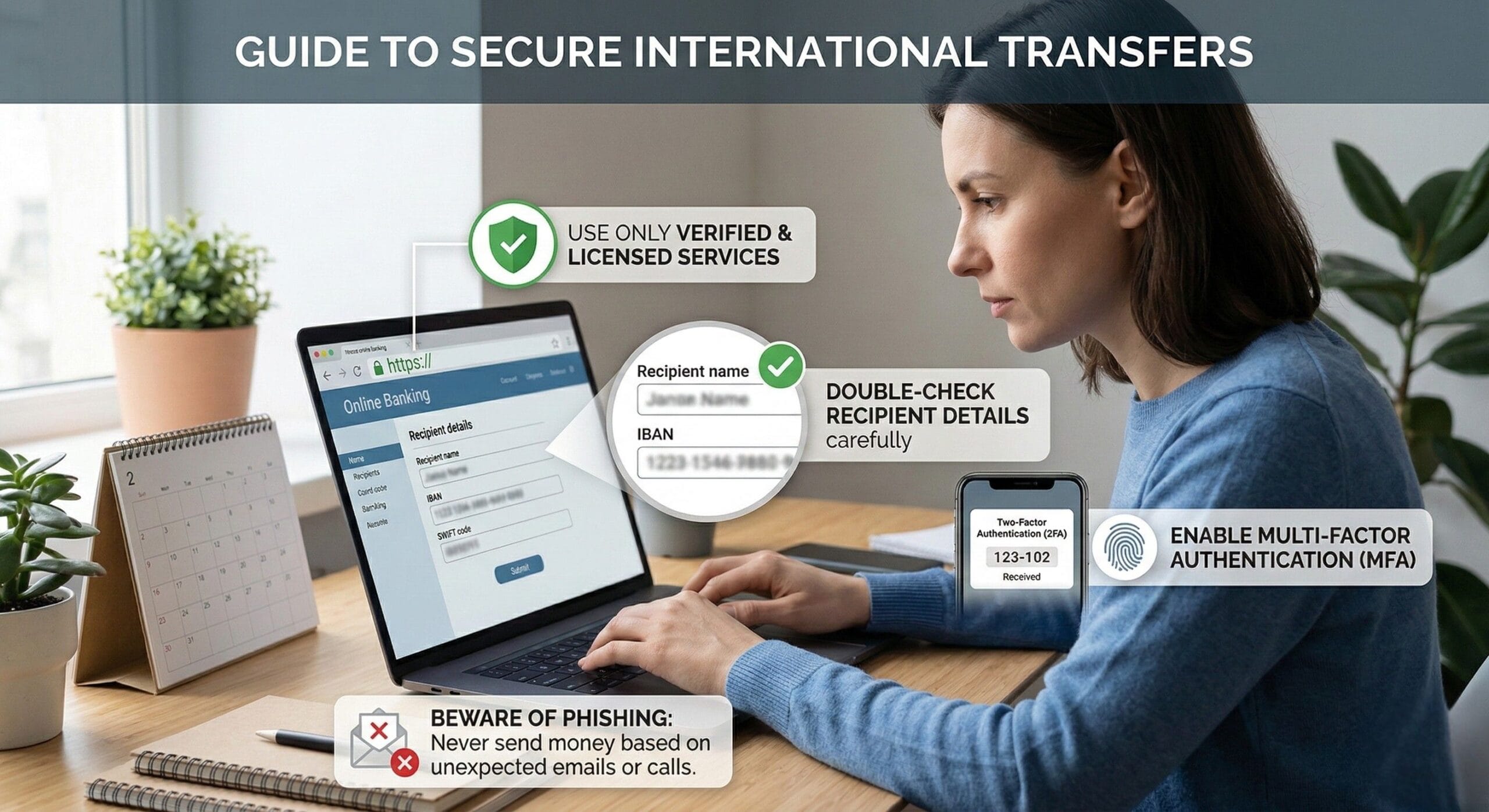
Every month, millions of NRIs face the same decision when sending money home. Should you use your bank or a mobile app? At first glance, banks feel safe and familiar. But once you actually send money, you notice delays, high fees, and poor exchange rates. On the other hand, apps promise speed and convenience, but not all of them deliver consistent value.
The real question is not bank versus app. It is which option gives you the best combination of speed, cost, and reliability. Modern platforms like Abound are built to solve this exact problem by combining the trust of banks with the efficiency of apps.
This guide breaks down every method so you can make the smartest choice. Along the way, it is important to consider total costs, so [link] understanding how remittance taxes impact your transfers will help you see the full picture.
Traditional Bank Transfers: The Old Way of Sending Money
How Bank Wire Transfers Work
Bank transfers usually start through your online banking portal or by visiting a branch. The money moves through the SWIFT network, often passing through intermediary banks before reaching India.
This multi step process is the reason transfers take 3 to 5 business days. It also explains why tracking is limited and delays are common.
Banks may also require documentation depending on the transfer size and purpose.
True Cost of Bank Transfers
The visible fee is only one part of the cost. Most banks charge $25 to $50 per transfer.
However, the biggest cost comes from exchange rate markups. Banks often offer rates that are 2 percent to 4 percent lower than the real market rate. In addition, intermediary banks may deduct $15 to $30 during the transfer. The receiving bank in India may also charge a fee.
To understand how much this affects your transfer, [link] comparing exchange rate differences across providers can reveal hidden losses.
When Banks Make Sense (Rarely)
Banks can make sense for very large transfers where negotiated rates are available. They may also work for corporate transactions or customers with premium banking relationships.
For regular personal transfers, however, they are rarely the most efficient option.
Major Limitations of Bank Transfers
Bank transfers are slow, expensive, and difficult to track.
Most users receive poor exchange rates and limited transparency. In some cases, visiting a branch is still required, which adds inconvenience.
Online Money Transfer Apps: The Modern Alternative
How Online Transfer Apps Work
Online apps simplify the entire process. You can initiate transfers digitally, fund them through your bank or card, and track them in real time.
These platforms use optimized payment networks, which makes transfers faster and more efficient.
The Problem: Not All Apps Are Equal
While apps are better than banks in many ways, they are not all the same.
Some offer better exchange rates but slower delivery. Others provide speed but charge higher fees. Customer support and transparency also vary widely.
Common Online Transfer Services
Wise offers relatively transparent pricing but still includes a noticeable markup.
Rating: ★★★☆☆
Remitly provides different pricing based on speed, which can confuse users.
Rating: ★★★☆☆
Xoom is convenient for PayPal users but has less competitive rates.
Rating: ★★☆☆☆
Western Union digital services are widely available but often expensive for bank deposits.
Rating: ★★☆☆☆
The Gap in the Market
Most services force a compromise. You either get a good rate or fast delivery, but rarely both.
This creates a clear need for a solution designed specifically for US to India transfers.
Abound: The Best of Both Worlds ⭐
Why Abound Outperforms Banks AND Other Apps
Abound offers exchange rates very close to the mid market, typically within 0.2 percent to 0.5 percent. It delivers fast transfers without increasing costs, maintains low and transparent fees, and provides a smooth user experience built for NRIs.
This combination makes it one of the most efficient options available today.
The Abound Advantage
| Factor | Traditional Banks | Other Apps | Abound |
| Exchange Rate | Poor (2-4%) | Variable | Best (0.2-0.5%) |
| Speed | Slow | Medium | Fast |
| Fees | High | Medium | Low |
| Ease of Use | Difficult | Good | Excellent |
| India Focus | Generic | Generic | Specialized |
Designed for the US-India Corridor
Abound is built specifically for transfers between the US and India. It understands NRI needs, supports different recipient account types, and integrates smoothly with Indian banks.
For even better efficiency, [link] setting up direct account linking can make recurring transfers seamless.
Head-to-Head Comparison: All Methods Ranked
Comparison Factor 1 – Exchange Rates
To evaluate rates properly, [link] understanding how different providers price currency conversions gives deeper insight.
| Method | Rate Markup | Winner |
| Abound | 0.2-0.5% | 🥇 |
| Wise | 0.5-1.0% | 🥈 |
| Remitly | 0.8-2.5% | 🥉 |
| Bank Wire | 2.0-4.0% | ❌ |
Abound consistently delivers the best value.
Comparison Factor 2 – Transfer Speed
| Method | Speed | Winner |
| Abound | Same or next day | 🥇 |
| Remitly Express | Same day | 🥈 |
| Wise | 1 to 2 days | 🥉 |
| Bank Wire | 3 to 5 days | ❌ |
Comparison Factor 3 – Total Cost
| Method | Rate Loss | Fees | Total Cost |
| Abound | $6 | $3 | $9 |
| Wise | $14 | $8 | $22 |
| Remitly | $25 | $4 | $29 |
| Bank Wire | $60 | $35 | $95 |
Comparison Factor 4 – User Experience
| Method | Overall |
| Abound | ★★★★★ |
| Wise | ★★★★☆ |
| Remitly | ★★★☆☆ |
| Bank Wire | ★★☆☆☆ |
Tax Considerations for Your Transfer Method
How the 1% Remittance Tax Applies
Tax rules around remittances are still evolving and may apply depending on regulatory updates. To plan effectively, [link] learning how to reduce remittance tax exposure can help you minimize costs.
Gift Transfers to Family Members
When sending money to family, classification matters. To avoid surprises, [link] understanding tax rules on family transfers ensures compliance and better planning.
Method-Specific Tax Documentation
Banks provide automatic records, while apps require you to download receipts. Abound simplifies this by maintaining a clear transfer history for easy tracking.
Special Use Cases: Which Method Fits Your Situation?
Monthly Support to Parents
Abound works best due to consistent rates and easy tracking.
Emergency Transfers
Fast delivery without excessive fees makes Abound the preferred option.
Large One-Time Transfers
Large transfers benefit the most from better exchange rates.
Before sending, [link] understanding tax implications of large family transfers can help avoid issues.
Transfers to Your Own NRE/NRO Account
For self transfers, [link] learning how to link your accounts simplifies recurring transfers and improves efficiency.
Making the Switch: From Bank to Abound
Why Switching Is Worth It
Switching can save hundreds of dollars annually while improving your overall experience.
How Easy Is It to Start
You can sign up quickly, verify your account, and complete your first transfer the same day.
What About My Existing Bank Relationship
You can continue using your bank for other needs while using Abound specifically for transfers.
Conclusion: The Verdict Is Clear
| Aspect | Banks | Other Apps | Abound |
| Overall Winner | ❌ | ❌ | ✅ |
Banks are outdated and expensive. Apps are better but inconsistent. Abound combines speed, cost efficiency, and reliability in one platform. To maximize your savings, [link] understanding how taxes and transfer costs work together will help you make smarter decisions.
Start your next transfer with confidence and ensure more of your money reaches where it matters most.
FAQs:
1. What is the cheapest way to send money from the USA to India?
The cheapest way is usually an online remittance platform rather than a traditional bank wire. Banks often charge high transfer fees and add exchange rate markups of 2% to 4%, while many digital transfer services offer lower fees and better exchange rates, reducing the overall cost of sending money.
2. Are online money transfer apps safe for international transfers?
Yes, most reputable apps are regulated financial services that follow strict compliance rules including AML (Anti-Money Laundering) and KYC (Know Your Customer) regulations. Always choose platforms that are licensed, encrypted, and transparent about their fees and exchange rates.
3. How long does it take to send money from the USA to India?
Transfer speed depends on the method used.
- Online transfer apps: Often same day or within 24 hours
- Bank wire transfers: Usually 3 to 5 business days
Processing time may also depend on verification checks, time zones, and bank processing hours.
4. Why do banks offer worse exchange rates than online transfer services?
Banks typically add a larger markup to the exchange rate, which acts as a hidden fee. While the transfer fee may appear small, the exchange rate difference often costs significantly more than the visible charge.
5. Do I need to pay tax when sending money from the USA to India?
Generally, sending money itself is not taxable. However, taxes may apply depending on the purpose of the transfer, the sender’s residency status, or regulatory rules in both countries. Documentation may also be required for large transfers.